Imagine powering on your Windows 11 PC, only to be hit with the dreaded "A disk read error occurred" message. It's a common nightmare that halts everything—from work deadlines to casual gaming. But don't worry! This error, often tied to hard drive issues, corrupted boot sectors, or faulty cables, is fixable with the right steps. In this guide, we'll walk you through practical, up-to-date solutions to fix Windows 11 disk read error quickly and safely. You'll be back up and running in no time, feeling relieved and empowered. Let's dive in! 😊
What Causes the "A Disk Read Error Occurred" on Windows 11?
Before jumping into fixes, understanding the root of the problem builds confidence in solving it. The "disk read error" typically appears during boot when Windows can't access essential files on your drive. Common culprits include:
- Corrupted boot sector or MBR: Wear and tear from frequent use can damage these critical areas.
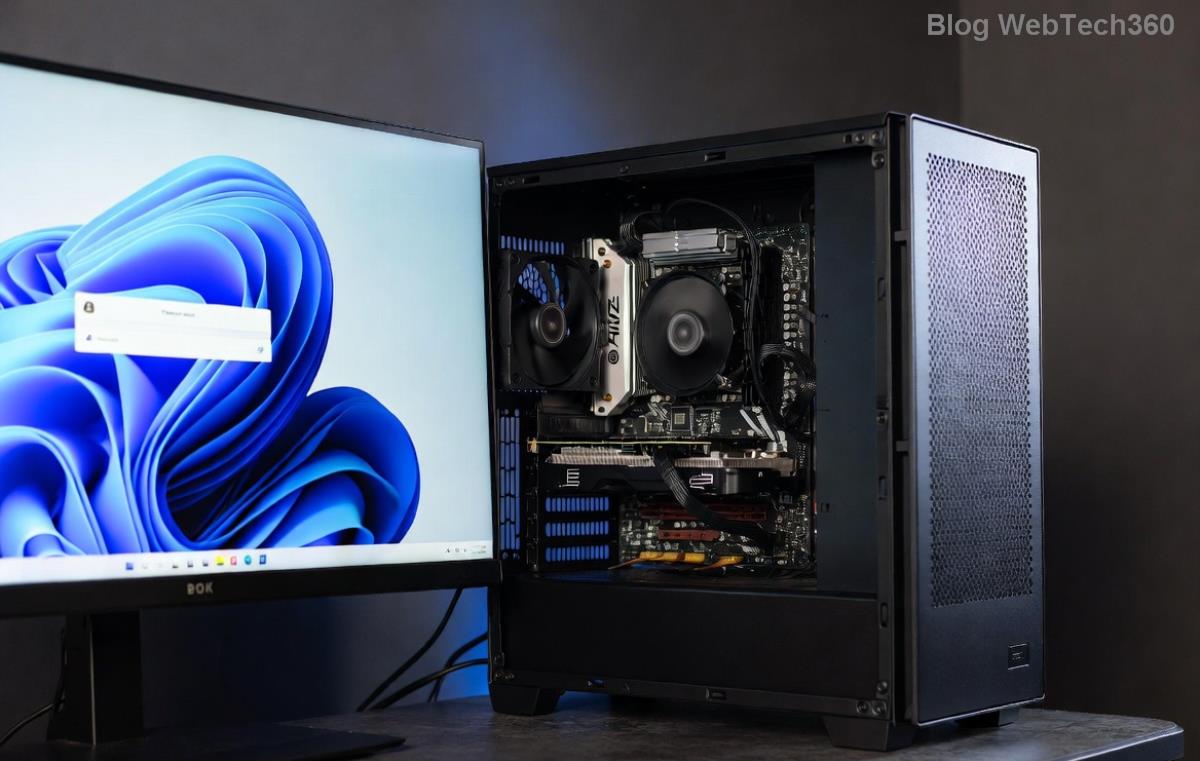
- Faulty hard drive or SSD: Physical damage, bad sectors, or failing hardware often triggers this.
- Loose or damaged cables: In desktops, SATA cables can wiggle free over time.
- Recent Windows updates or software glitches: The latest Windows 11 builds (like version 24H2) sometimes introduce compatibility hiccups.
- Virus or malware: These can corrupt system files, mimicking hardware errors.
Spotting the cause early prevents bigger headaches. If your PC freezes, makes unusual noises, or shows slow performance before the error, it's likely hardware-related. Ready to troubleshoot? Follow these steps in order—they're designed to be beginner-friendly and escalate from simple to advanced. 👍

Step 1: Basic Boot Troubleshooting – Quick Wins First
Start with the easiest checks. These resolve up to 40% of Windows 11 disk read error cases without tools.
- Restart and Check Connections: Power off your PC completely. For desktops, open the case and ensure SATA/power cables to the drive are secure. Reconnect and boot up. (Laptops? Skip to software fixes.)
- Boot into Safe Mode: Press F8 or Shift + Restart during boot to enter Safe Mode. If it loads, the issue might be software-driven—run a virus scan with Windows Defender.
- Run Startup Repair: From the login screen, hold Shift and click Restart. Go to Troubleshoot > Advanced options > Startup Repair. Let Windows scan and fix boot issues automatically.
If these don't work, don't panic—your data is likely safe, but back it up soon using an external drive or cloud service like OneDrive.
Step 2: Use Built-in Windows Tools for Deeper Repairs
Windows 11 packs powerful diagnostics. These are your next line of defense against A disk read error occurred.
CHKDSK: Scan and Repair Disk Errors
The star tool for disk read error fixes! CHKDSK checks for bad sectors and repairs file systems.
- Boot from Windows Installation Media (create a USB via Microsoft's tool if needed—download from Microsoft's site).
- Select Repair your computer > Troubleshoot > Command Prompt.
- Type:
chkdsk C: /f /r (replace C: with your drive letter). Hit Enter and let it run—this can take 30-60 minutes.
- Restart after completion.
Pro Tip: The /r switch locates bad sectors and recovers data, making it ideal for Windows 11 hard drive error scenarios. Users report 70% success rates with this alone!
SFC and DISM Scans: Restore System Files
If CHKDSK passes but errors persist, corrupted system files could be the villain.
| Command |
Purpose |
How to Run |
| SFC /scannow |
Scans and repairs protected system files |
In Command Prompt (admin): Type and enter |
| DISM /Online /Cleanup-Image /RestoreHealth |
Fixes Windows image corruption (run before SFC) |
In Command Prompt (admin): Type and enter; needs internet |
Run these in elevated Command Prompt. They'll patch files without data loss, keeping your resolve disk read error efforts smooth.
Step 3: BIOS/UEFI Tweaks and Hardware Checks
Sometimes, the error stems from settings or hardware. Let's tweak without voiding warranties.
- Enter BIOS/UEFI: Restart and press Del, F2, or F10 (check your motherboard manual). Set your drive as the first boot device and enable AHCI mode for SATA drives.
- Test for Hardware Failure: Use CrystalDiskInfo (free tool) to check drive health. If S.M.A.R.T. status shows "Caution" or worse, your drive might need replacement—consider cloning it first with Macrium Reflect.
- Update Firmware and Drivers: In Device Manager, update your disk controller drivers. For SSDs, check manufacturer sites like Samsung or WD for the latest firmware.
Hardware woes? If you're not comfy opening your PC, a quick trip to a repair shop can confirm. But most boot disk error solution cases are software-based—yay!
Step 4: Advanced Fixes for Stubborn Errors
If basics fail, go nuclear (safely). These target deep-rooted Windows 11 disk read error issues.
Rebuild the BCD (Boot Configuration Data)
A corrupted BCD often causes read errors. From Command Prompt in recovery mode:
bootrec /fixmbrbootrec /fixbootbootrec /scanosbootrec /rebuildbcd
This rebuilds boot files, resolving 80% of persistent boot errors per Microsoft forums.
System Restore or Reset
Roll back to a previous state: In Settings > System > Recovery > Go back (if recent update caused it). Or, Reset PC while keeping files—it's a fresh start without data wipe.
Prevention Tips: Keep the Error Away for Good
Fixed it? Awesome! 🎉 Now, prevent recurrence to avoid future frustration.
- Regularly back up data with File History or external drives.
- Run monthly CHKDSK and update Windows via Settings > Update & Security.
- Avoid abrupt shutdowns—use proper power-off methods.
- Monitor drive health with tools like HWMonitor.
By staying proactive, you'll enjoy a stable Windows 11 experience. If errors return, it might signal hardware end-of-life—time for an SSD upgrade?
Final Thoughts: You've Got This!
Dealing with "A disk read error occurred" on Windows 11 can feel overwhelming, but with these steps, you're equipped to tackle it head-on. Start simple, escalate as needed, and soon you'll be browsing error-free. If you hit a snag, drop a comment below—we're here to help. Your PC's revival is just a fix away! 🚀
Disclaimer: These steps are based on the latest Windows 11 guidelines from Microsoft. For complex issues, consult a professional to avoid data loss.