Hem
» Sport
»
VM 2026 Värdstäder: Arenor, Kartor Och Reseguide
VM 2026 Värdstäder: Arenor, Kartor Och Reseguide
Discover everything you need to know about the 16 host cities for the FIFA World Cup 2026. This practical guide covers all stadiums, current venue layouts, transportation maps, and realistic travel advice to help football fans plan their journey efficiently.
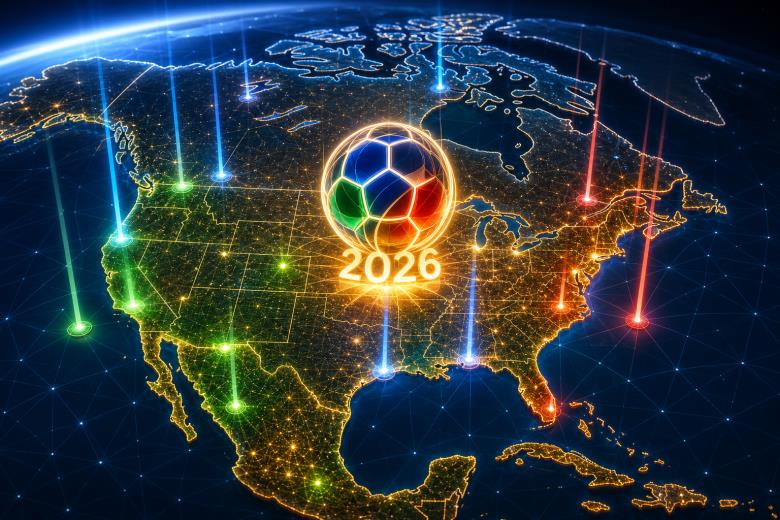
The FIFA World Cup 2026 will be co-hosted by Canada, Mexico, and the United States across 16 host cities. Matches will be played from early June to mid-July 2026, with the final scheduled at MetLife Stadium in New York/New Jersey.
This is the first World Cup with 48 teams, meaning more matches and greater travel demands. Cities were chosen for their world-class stadiums, infrastructure, and ability to host large numbers of international fans.
City
Country
Stadium
Capacity (approx.)
Atlanta
USA
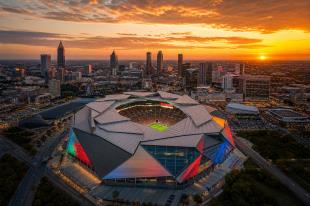
Mercedes-Benz Stadium
71,000
Boston (Foxborough)
USA
Gillette Stadium
65,000
Dallas (Arlington)
USA
AT&T Stadium
80,000
Guadalajara
Mexico
Estadio Akron
46,000
Houston
USA
NRG Stadium
72,000
Kansas City
USA
Arrowhead Stadium
76,000
Los Angeles (Inglewood)
USA
SoFi Stadium
70,000
Mexico City
Mexico
Estadio Azteca
87,000
Miami (Miami Gardens)
USA
Hard Rock Stadium
65,000
Monterrey
Mexico
Estadio BBVA
53,000
New York/New Jersey
USA
MetLife Stadium
82,500
Philadelphia
USA
Lincoln Financial Field
69,000
San Francisco Bay Area (Santa Clara)
USA
Levi's Stadium
68,500
Seattle
USA
Lumen Field
69,000
Toronto
Canada
BMO Field
45,000
Vancouver
Canada
BC Place
54,000
🏟️ Stadiums & Arenas Guide
Each World Cup 2026 stadium offers modern facilities, high-definition screens, and improved fan experiences. Many venues already host major NFL, MLS, or Liga MX matches, meaning infrastructure is tournament-ready.
Highlights include:
Estadio Azteca (Mexico City): Historic venue hosting its third World Cup. Renowned atmosphere and altitude challenge.
MetLife Stadium (New York/New Jersey): Largest capacity. Will host both the opening match and final according to current schedule.
SoFi Stadium (Los Angeles): Cutting-edge design with transparent roof and world-class sound system.
AT&T Stadium (Dallas): Massive video board and retractable roof.
All venues are undergoing final preparations. Always check official FIFA updates for the latest capacity and match allocation information.
🗺️ Maps & Venue Navigation
Getting around the host cities efficiently is crucial. Most stadiums are located outside city centers, requiring careful transport planning.
Official FIFA World Cup 2026 maps will be available through the tournament app and website closer to the event. These will show:
Stadium precinct layouts
Fan zones and hospitality areas
Public transport routes
Park-and-ride locations
Accessible entrances
For cities like Los Angeles, New York, and Toronto, expect heavy use of rail and shuttle services. In Mexican host cities, fans should familiarize themselves with local metro and bus systems. Stadium-specific maps will be distributed at fan festivals and on digital boards near each arena.
✈️ Complete Travel Guide
Traveling for the World Cup 2026 across three countries requires smart planning. The vast geographical spread means most fans will fly between match cities.
Transportation Between Cities
Domestic flights within the USA, Canada, and Mexico will be the primary mode of travel. Book early as prices rise significantly during the tournament. Major hubs include Atlanta, Dallas, Los Angeles, Mexico City, and Toronto.
Train travel is limited to specific corridors (e.g., Northeast USA). Rental cars are possible but parking near stadiums will be limited and expensive.
Accommodation & Costs
Hotel prices during the tournament will vary greatly by city and match importance. Expect these rough estimates (per night, double room):
Budget options: $120–$250
Mid-range near stadiums: $250–$450
Premium downtown: $450–$900+
Costs depend on location, booking timing, and match schedule. Many fans choose Airbnb or apartments for longer stays. Book through reputable platforms and verify cancellation policies.
Visa & Entry Requirements
Check current entry rules for USA, Canada, and Mexico well in advance. The ESTA program applies for many nationalities entering the United States. Canadian and Mexican visas have their own requirements. Official guidance will be published by immigration authorities closer to the event.
Fan Zones & Atmosphere
Each host city will have official FIFA Fan Fests with big screens, live entertainment, and cultural activities. These are often free to enter and offer a great atmosphere even if you don’t have match tickets.
💰 Money-Saving Tips & Fan Checklist
Here’s a practical checklist to prepare for your World Cup 2026 trip:
✅ Essential Fan Checklist
Valid passport (minimum 6 months validity)
Match tickets purchased only through official FIFA channels
Travel insurance covering sports events and medical emergencies
Lightweight clothing for hot days and cooler evenings
Download offline maps and translation apps
Portable phone charger and power bank
Reusable water bottle (most stadiums allow empty ones)
Money-saving tips:
Book flights and hotels 9–12 months in advance
Consider staying in nearby secondary cities with cheaper accommodation
Use public transport passes where available
Eat at local markets instead of tourist restaurants
Share rides or use group shuttle services to stadiums
❓ Frequently Asked Questions
1. How many host cities are there for the World Cup 2026?
There are 16 official host cities across Canada, Mexico, and the United States.
2. Which stadium will host the World Cup 2026 final?
According to current schedule, MetLife Stadium in New York/New Jersey is planned to host the final. Always confirm with official FIFA announcements.
3. Is it better to stay in one city or travel between matches?
Most serious fans will need to travel between 2–4 cities depending on their team’s progress. Base yourself in one region when possible to reduce costs.
4. When will detailed stadium maps be available?
Official venue maps, transport routes, and fan guides are expected to be released in the 12 months leading up to the tournament. The official FIFA app will be the main source.
5. How can I buy safe tickets for specific host cities?
Purchase only through the official FIFA ticketing platform. Avoid unofficial resellers to prevent fraud. Check the latest guidance on the FIFA website.
6. What is the best way to get to stadiums on match day?
Most venues encourage public transport, dedicated shuttles, or walking from nearby fan zones. Driving is generally discouraged due to limited parking and heavy traffic.
Conclusion
The FIFA World Cup 2026 offers an unprecedented opportunity to experience football across three countries and 16 unique host cities. By planning ahead, using official channels for tickets and information, and staying flexible with travel arrangements, you can create lasting memories at this historic tournament.
Check FIFA.com regularly for the latest information, updated schedules, and official guidance. Safe travels and enjoy every moment of World Cup 2026!